


 Scripts & Code7221
 App Templates2206
 Themes3
 Drupal10
 Ghost1187
 HTML149
 Admin Templates11Blog198Business17Construction67eCommerce16Education10Entertainment9Error pages25Health7Mobile174Landing Page5Law188Portfolio13Photography21Resume43Restaurant24Sport28Technology12Travel34Under Construction122Miscellaneous93
 Joomla32
 Magento32
 MyBB2
MyBB2 nopCommerce31
 OpenCart3
 Osclass102
 PrestaShop62
 Shopify12
 Tumblr78
 WooCommerce489
 WordPress70
 Miscellaneous871
 Plugins13926
 Graphics



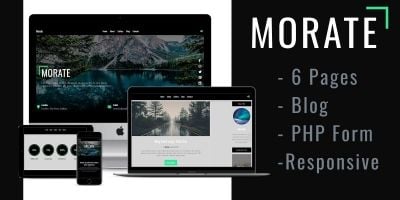




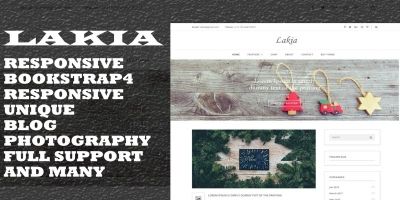

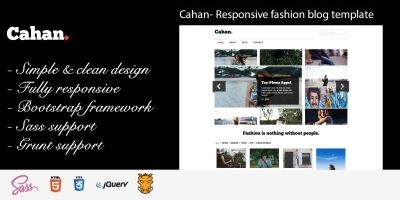

Blog HTML templates
The Blog HTML Templates category on Codester is where you go when you already know what you want to build – personal blogs, magazines and content hubs – but do not want to spend days nudging columns and typography into place. Each download is a complete HTML5 layout, with CSS and assets ready to open in your editor and adapt to your brand.
A typical template in this section includes post lists, article templates, featured story blocks, sidebars, category archives and newsletter sign-up sections. Because the structure is already figured out, you can focus on the things that actually move the needle: copy, imagery and clear calls to action. Many items also include variations for home, inner pages and mobile navigation so your site looks consistent wherever visitors land.
Most authors build these blog HTML templates on top of modern, well-documented stacks – often a lightweight custom CSS setup, Bootstrap or Tailwind-style utility classes. The HTML is semantic, with proper heading levels, list mark-up and buttons instead of generic links, which helps both assistive technologies and search engines understand your content.
From a search perspective, starting from a lean template is a real advantage. Clean markup, sensible image sizes and minimal blocking scripts make it easier to hit performance targets and Core Web Vitals. That creates a better foundation for ranking long-tail queries like blog HTML templates, responsive HTML template, SEO friendly website template. If you want to dig deeper, keep references like MDN’s HTML reference and the Bootstrap documentation close while you customise.
Good internal linking matters just as much as a nice layout. Many site owners combine one of these HTML themes with a blog powered by WordPress themes or a store that later moves to Shopify or WooCommerce. Linking those properties together, and back to the broader HTML website templates and Website Templates & Themes hubs on Codester, helps visitors and search engines understand how your content fits together.
Before you settle on a design, it is worth clicking through the demo like a real user would: read a full page, resize the browser, test the menu on mobile and submit every form. That quick tour reveals whether the theme feels intuitive enough to support your goals without fighting it on every iteration. Used well, the Blog HTML Templates category becomes a library of reliable starting points you can reach for whenever a new brief lands.