


 Shopify Themes
Browse 50 responsive Shopify themes and templates for Online Store 2.0. Fast, SEO-ready designs with sections, app blocks, mega menus, collection filters and cart drawers. Import a demo, customize fonts and colors, add translations or RTL, and launch quickly. Built for mobile performance and Shopify’s latest features.








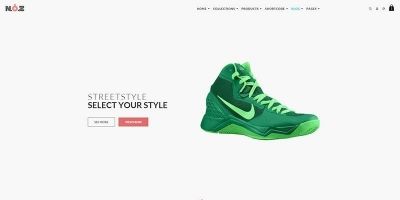
Shopify Themes - Online Store 2.0 Ready
A great Shopify theme earns its keep on two fronts: it converts on mobile and it stays easy to maintain. In this collection you’ll find responsive Shopify themes built for Online Store 2.0 with sections, app blocks and JSON templates, so merchandising a new collection or landing page is a few clicks instead of a sprint. Most designs ship with polished typography, flexible color systems and sensible spacing, giving you a clean starting point that looks “on brand” after a short pass through the editor.
Performance and SEO matter just as much as aesthetics. Look for lightweight assets, lazy-loaded images, prefetching where appropriate and tidy HTML that helps Core Web Vitals. Good product templates handle the real work: variant pickers and color swatches that don’t flicker, quick add to cart, sticky add-to-cart on mobile, a drawer cart with shipping estimates, and clear microcopy for errors and empty states. Collection pages should include faceted filters, breadcrumbs and pagination that feel fast; navigation should allow for simple menus or a full mega menu without custom code.
Compatibility with common apps is critical. Many themes here are tested with reviews, search, upsell and subscription apps, and expose app blocks so you can drop functionality into product or landing pages without editing theme files. International stores benefit from translation files, currency switching and RTL-aware layouts; if you sell across markets, check those notes in the item description and run the demo in a mobile browser before you decide.
Getting live is straightforward: duplicate your current theme as a backup, upload the new theme, import the demo preset and work through your global styles, header, footer and product template. Replace placeholder images with compressed assets, wire analytics and pixels, and run a Lighthouse pass on a busy page to catch any regressions. When everything feels right, publish during a quiet period and watch the first sessions in real time.
If you’re still weighing platforms, compare options in the broader Website Templates & Themes hub, or look at WooCommerce themes if you prefer WordPress, OpenCart, Magento or PrestaShop. For code-level control on a marketing site, start with HTML website templates and bring your own stack.