


 Taxi Booking App Source Code and Templates
Compare taxi booking app source code with passenger, driver, dispatch, mapping, fare calculation, payment and live trip-management features for transport businesses.


Taxi booking app source code can provide passenger, driver and administrator workflows for on-demand or scheduled transport. Products may include fare estimates, map-based pickup, nearby-driver requests, trip status, payments, ratings and fleet management. A complete platform often consists of several applications plus a backend API and dispatch dashboard.
Define whether the service operates its own fleet or connects independent drivers. That choice affects onboarding, commissions, documents, payouts and dispatch. Review more general app templates and source code, or compare native projects in Android app templates.





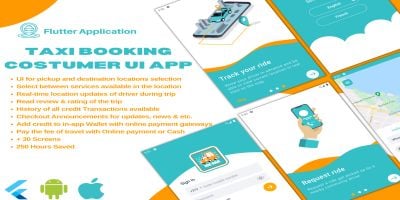
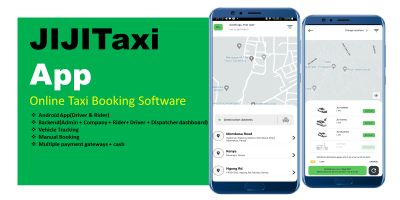




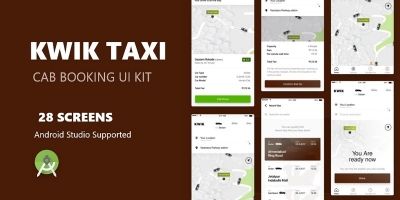




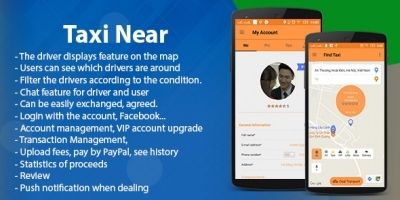



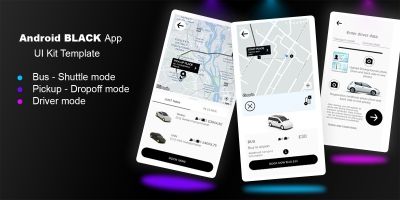


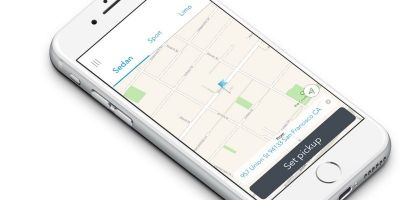

A fleet system may assign jobs to vehicles controlled by one company, while a marketplace lets independent drivers accept requests and receive earnings. Dispatcher-led businesses may need manual assignment and telephone bookings alongside automatic nearby-driver matching. Scheduled rides require capacity planning and reminders that immediate-request apps may not include.
Fare logic should reflect the intended operation. Common variables include base fare, distance, time, vehicle class, zones, waiting, airport fees, tolls, promotions and surge pricing. The server should calculate and record authoritative totals. Test how the product handles route changes, cancellations and incomplete trips.
- Passenger accounts, saved places and booking requests
- Driver availability, job offers and document status
- Pickup, destination, route and estimated fare
- Real-time trip states and background location
- Cash, card, wallet or corporate billing
- Ratings, support, cancellation and safety tools
- Dispatcher, fleet and administrator reporting
Mapping and location services are central dependencies. Identify the provider used for maps, geocoding, routes and distance calculations, then estimate API charges. Test GPS accuracy in dense areas and poor network conditions. Background location must comply with platform permissions and should not remain active longer than necessary.
Real-time communication can use sockets, managed databases or push notifications. Check how quickly new requests reach drivers and what happens when an application reconnects. Duplicate acceptance must be prevented when several drivers receive the same offer. The dispatcher should have enough visibility to intervene when automatic assignment fails.
Payments and driver settlements vary by country. A card payment collected by the platform can require merchant processing, refunds and driver payouts. Cash trips need separate commission accounting. Review invoices, taxes and transaction records with local advisors.
Confirm every required component: passenger app, driver app, backend API, database and dispatcher or admin panel. Review the mapping provider, real-time system, payment integrations and supported platform versions. Check whether scheduled bookings and fleet operations are included.
Demonstrate the full trip lifecycle and review failure handling. Calculate third-party API and notification costs. Examine documentation and update history, especially for mobile location and billing libraries.
- Choose fleet, dispatcher or marketplace architecture deliberately.
- Validate fares and route calculations on the server.
- Test background location and reconnection behavior.
- Review driver approval, payouts and audit records.
- Assess local transport, privacy and employment requirements.
What components are normally included in taxi booking source code?
Complete packages may contain passenger and driver applications, a backend API, database and administrator or dispatcher panel. Confirm the exact files and platforms listed by the author.
Do taxi templates include maps and live driver tracking?
Many integrate map, route and location services, but the buyer normally supplies API keys and pays usage charges. Background tracking must be tested under current mobile-platform rules.
Can I configure my own fares and vehicle types?
Many systems support base fares, distance, time and vehicle classes. More complex zones, surcharges or corporate rates may require customization, so inspect the fare engine carefully.
Can a taxi app support advance reservations?
Some templates include scheduled rides and reminders; others support only immediate bookings. Verify dispatch, driver allocation and cancellation behavior for future trips.
Test the complete journey on physical devices: request, assignment, driver arrival, trip start, navigation, completion, payment, receipt and rating. Include cancellation by each party, loss of connectivity, location permission changes and an unavailable payment service. Confirm that passenger, driver and administrator records remain consistent.
Transport services may be subject to licensing, insurance, accessibility, labor, pricing and safety rules. Establish driver verification, incident support, emergency procedures and data-retention policies before onboarding users.
Avoid building the permanent landing page around another company's trademark. This category targets descriptive phrases such as taxi booking source code and ride-hailing app templates, while the page copy can naturally explain the operating model without implying affiliation.