


 Food Delivery App Source Code and Templates
Browse food delivery app source code with customer, restaurant, courier, ordering, payment, tracking, dispatch and administration features for branded delivery platforms.


Food delivery app source code can combine ordering, restaurant operations, courier dispatch and customer communication in one editable platform. Packages range from a single-restaurant ordering app to multi-vendor marketplaces containing separate customer, merchant and driver applications. A complete product may also include a backend API, web administration, payment integrations and real-time order tracking.
Start by mapping the operating model. A restaurant managing its own drivers needs different commission, dispatch and settlement features from a marketplace onboarding independent vendors. For a broader selection, browse app templates and source codes; grocery-specific products are separated into the dedicated grocery delivery page to keep both collections relevant.

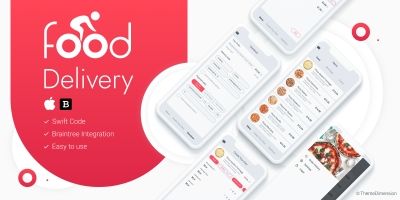


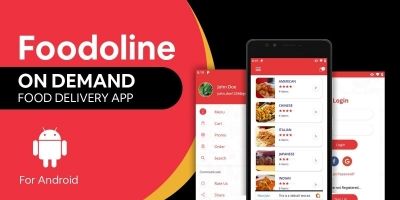

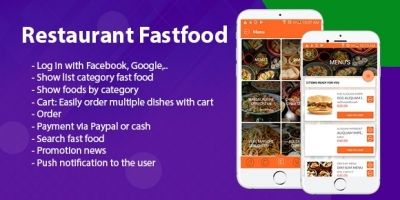
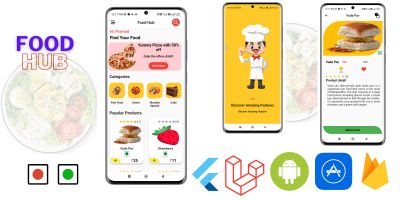

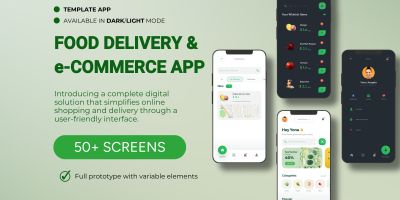

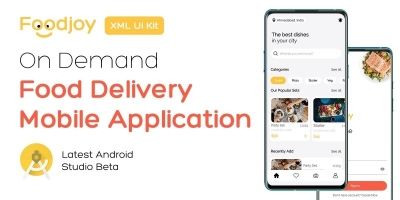
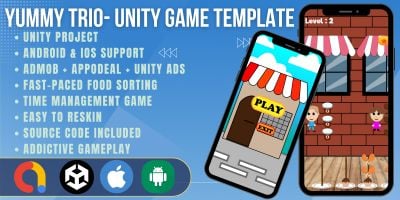

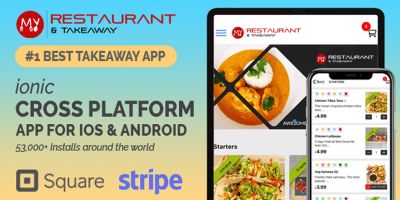
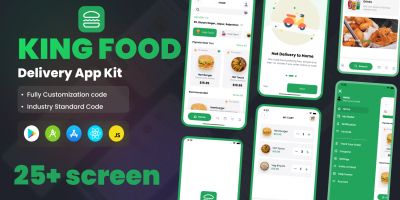
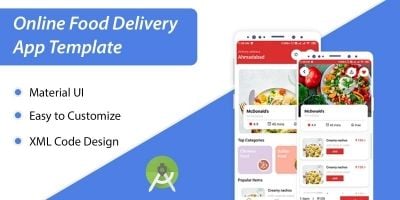
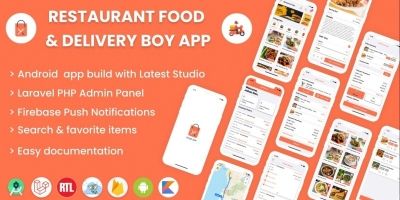
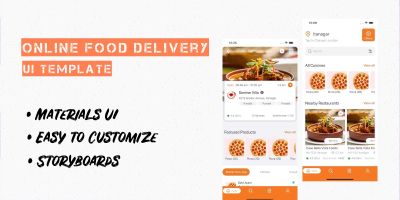

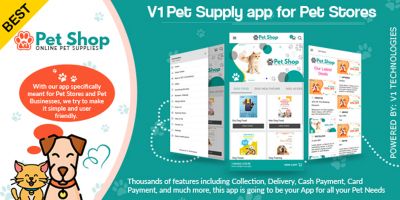
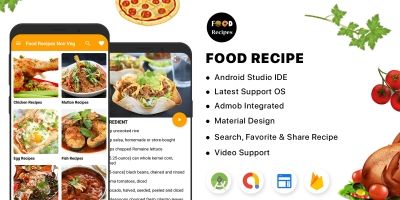

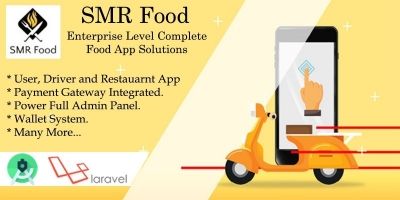
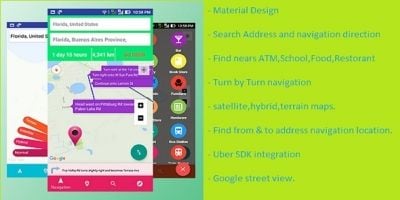
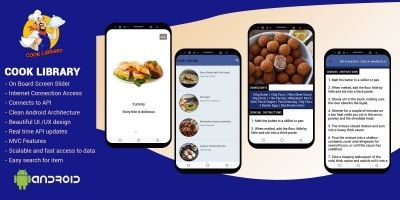
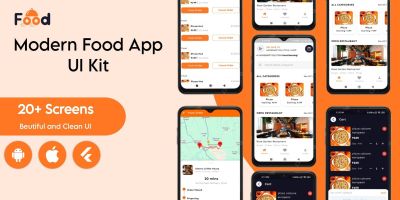
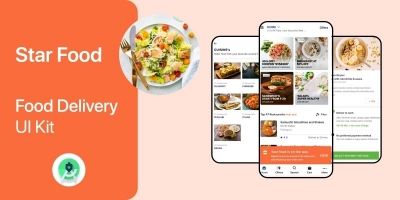
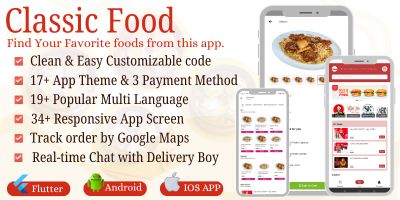




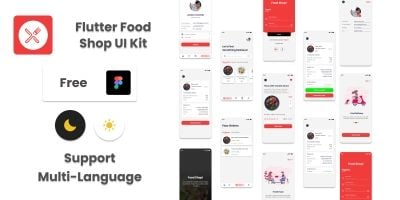
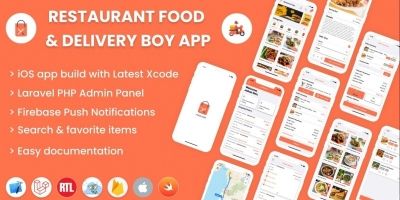
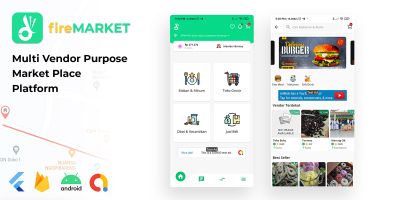

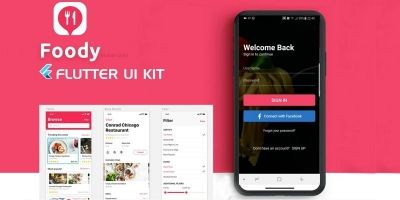
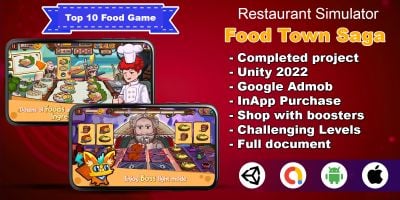
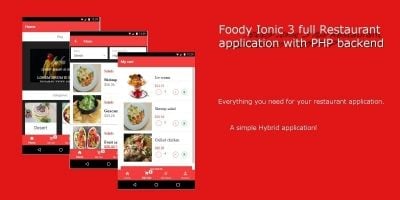
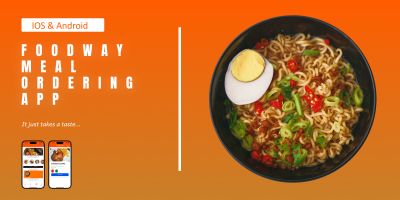
Single-restaurant systems emphasize menus, branches, pickup and direct delivery. Multi-restaurant marketplaces add vendor registration, approval, opening hours, service zones, commissions and settlements. Cloud-kitchen or franchise models may require centralized menus with branch-level availability. Confirm that the data model fits the intended operation.
Menus can be complex. Products may need sizes, add-ons, modifiers, preparation times, tax classes, dietary labels and item availability by location or time. Test whether the cart correctly handles products from different vendors and whether minimum orders, delivery charges and promotions are calculated on the server.
- Customer registration, address selection and saved locations
- Restaurant discovery, menus, modifiers and search
- Cart, coupons, taxes, delivery fees and payments
- Merchant acceptance and preparation status
- Courier assignment, navigation and proof of delivery
- Live order status and push notifications
- Commissions, settlements, refunds and administrator reporting
Dispatch logic strongly influences service quality. Some systems assign the nearest available courier automatically; others allow merchants or administrators to choose. Check how the application handles rejected jobs, multiple orders, late preparation, courier reassignment and delivery zones. Maps, routing, geocoding and SMS services usually require separate accounts and fees.
Payment and settlement workflows must reflect the local market. Cash on delivery, card payments, customer wallets and vendor payouts create different accounting requirements. Verify who receives the initial payment, when commissions are deducted and how refunds affect merchant and courier balances.
Restaurant operations require practical controls for opening hours, busy status, item availability and preparation estimates. A mobile app should not accept orders that the merchant cannot fulfill. Test notifications on low-cost devices and unreliable networks, because missing an order can have immediate commercial consequences.
List the applications and roles required: customer, restaurant, courier, dispatcher and administrator. Confirm which are included, which platforms they support and whether the backend is part of the purchase. Check maps, notifications, payment gateways and real-time technology.
Test the full order lifecycle rather than only browsing menus. Review commission rules, settlements, refunds, delivery zones and restaurant availability. Calculate recurring provider and hosting costs.
- Match the software to single-store or marketplace operations.
- Verify menu modifiers, service areas and delivery charges.
- Test courier assignment and failure scenarios.
- Check merchant settlement and refund accounting.
- Review documentation, updates and deployment requirements.
Which applications are included in food delivery source code?
A complete package may include customer, restaurant and courier apps plus a backend and admin panel. Other products include only one app or interface, so verify the listed files.
Do food delivery templates include maps and live tracking?
Many integrate mapping, geocoding and location services, but you normally need your own API credentials and may pay usage fees. Accuracy and background behavior should be tested on real devices.
Can one platform support several restaurants?
Multi-vendor products can support multiple restaurants, commissions and settlements. Single-restaurant templates may require substantial development to add those capabilities.
Are payment gateways and courier payouts included?
Some integrations may be present, but gateway accounts, regional availability and payout operations are usually the buyer's responsibility. Review the complete money flow carefully.
Before launch, run a complete delivery simulation with a real restaurant, customer and courier. Include an unavailable item, a changed address, a rejected driver request, a delayed order, a cancellation and a partial refund. Confirm that every participant sees consistent status and receives the correct notification.
Define support responsibility when an order is wrong, late or missing. Establish vendor onboarding, courier verification, food-safety expectations and privacy procedures. Review local rules for payments, employment, delivery services and consumer refunds.
Food delivery and grocery delivery should not display the same inventory by default. This page should prioritize restaurant menus, meal preparation and multi-restaurant workflows, while supermarket catalog and substitution features belong in the grocery delivery collection.