


 PHP Security Scripts & Tools
Download PHP security scripts and tools for protection against SQL injection, XSS, spam and brute force attacks. Use ready-made PHP firewall scripts, login protection, captcha, IP blocking and file scanner tools to harden websites, admin panels and client projects without rebuilding every security feature from scratch, even on shared hosting.
 Scripts & Code11
 AngularJS2
 C & C++140
 C#55
C#55 CSS28
CSS28 Django0
 Golang15
 Java211
 JavaScript128
 NodeJS2717PHP Scripts8
 Ads76AI40Affiliate61Booking30Blog23Chat6Countdown58CMS35CRM17Directory21Database80eCommerce121Finance19Food55Forms11Forum69Games1GPS40Help Desk50Links248Multimedia82Login266Management17Mail88Marketplace17News7Newsletter61POS38Payment19Polls30Project Management98SaaS20Search49Security86Social Networking15Sport6Statistics37Uploaders42Website Builders635Miscellaneous94
 Python88
 ReactJS1
 Ruby28
 VB.NET7530
 App Templates2442
 Themes1036
 Plugins14152
 Graphics













PHP Security Scripts & Tools to Harden Your Projects
Every PHP project eventually needs more than just “it works” – it needs “it’s safe enough to put online”. The PHP Security Scripts & Tools category brings together PHP security scripts that help protect logins, forms, admin panels and APIs from common attacks without you having to write all the defences by hand.
At a glance, these tools typically help with:
- Blocking or filtering suspicious requests (basic PHP firewalls / WAF-style filters).
- Mitigating SQL injection and XSS via input filtering and sanitisation helpers.
- Rate limiting and brute force protection for login and admin pages.
- Spam protection with captchas, honeypots and IP blacklists.
- File and directory scanners for malicious uploads and changed scripts.
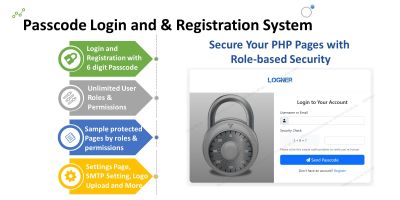
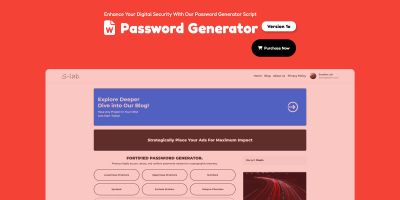
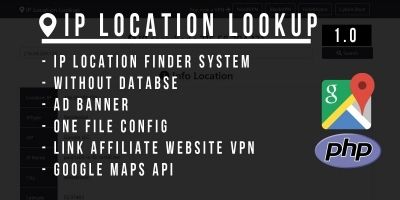
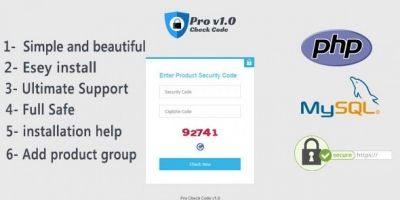
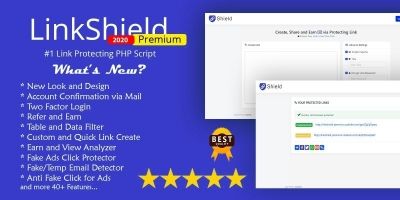
If you want to see which solutions other developers lean on in production, it’s worth opening the popular PHP security scripts & tools overview. You’ll usually find lightweight web application firewall scripts, login protection modules, anti-spam systems and security scanners that are already being used on live sites and client projects.
In practice, security scripts from this category rarely run alone. They are often plugged in next to authentication and form handling code. A common pattern is to pair a login system from PHP Login Scripts with rate limiting, IP blocking or two-factor helpers from the security section, and to combine form builders from PHP Form Scripts & Generators with validation and spam filters to keep bad input out of your database.
On the back-end, many developers also reuse helpers from PHP Database Scripts alongside security utilities here, so that parameterised queries and safe escaping become the default. Mail-heavy projects often match mailers from PHP Mail Scripts with security add-ons that guard contact forms and newsletter signups against bots and abuse. Everything sits inside the broader PHP Scripts & PHP Code ecosystem, so you stay in one stack.
If you like to dig into best practices behind the code, two external references are worth knowing. The PHP Security section in the official manual outlines key topics like input validation, sessions and file uploads, while the OWASP Top 10 describes the most common web application risks (injection, broken authentication, XSS, etc.). Many PHP security scripts in this category are essentially packaged defences against those same issues.
When you compare different PHP security tools, useful questions include:
- Which threats does this script actually target (SQLi, XSS, brute force, spam, uploads)?
- Does it support your PHP version and fit your hosting limits (shared vs VPS)?
- Is it a drop-in front controller/firewall, or a library you call from your own code?
- How configurable are rules, whitelists/blacklists and logging?
- Can you easily disable or bypass it in development and staging environments?
It’s usually a good idea to test any new security layer on a staging copy of your site first. That’s where you can tune strictness levels, exclude API endpoints that need special handling and make sure legitimate users and search bots aren’t blocked accidentally.
Once you’ve chosen a script from the PHP Security Scripts & Tools list, most of the real work is in integration and tuning: wiring it into your front controller or key entry points, configuring rules, enabling logs, adding your own allow/deny lists and documenting how to disable or update it. After that, the security code simply runs in the background, adding an extra layer of defence while you focus on features and performance.