


 Food And Recipe Software PHP
Download food and recipe software PHP scripts, including recipe management systems, PHP recipe scripts, restaurant menu scripts and food ordering portals. Build cooking blogs, recipe websites and multi-restaurant platforms with ratings, ingredients, nutrition and images, then customize layouts, monetization and languages for chefs, food bloggers and restaurant owners.
 Scripts & Code9
 AngularJS2
 C & C++133
 C#52
C#52 CSS26
CSS26 Django1
 Golang14
 Java198
 JavaScript68
 NodeJS2179PHP Scripts7
 Ads55AI33Affiliate46Booking27Blog18Chat25CRM5Countdown14Directory19Database103Finance46CMS22Food53Forms8Forum57Games2GPS33Help Desk46Links76Login172Management213Multimedia12Mail77Marketplace10News6Newsletter42POS34Payment20Polls20Project Management17Search47Security58eCommerce75Social Networking11Sport5Statistics37Uploaders41Website Builders556Miscellaneous69
 Python50
 ReactJS1
 Ruby23
 VB.NET7131
 App Templates2054
 Themes799
 Plugins13833
 Graphics













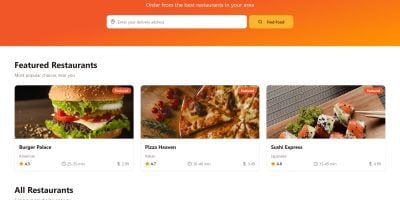


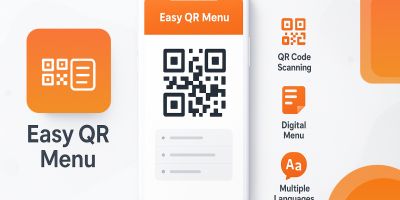





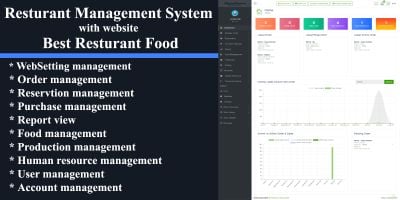


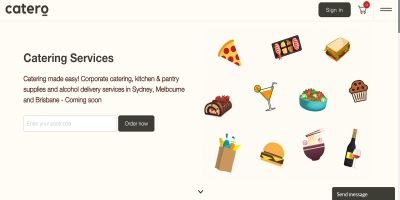



Food & Recipe Software PHP Scripts for Recipe Sites & Restaurants
The Food And Recipe Software PHP category on Codester brings together PHP recipe scripts, food management systems and multi-restaurant platforms. You’ll see everything from simple recipe collections to full food portals and AI-powered food projects, all written in PHP with source code you can tailor to your own brand and audience.
If you like to start with what’s already working well for others, take a look at the Top 20 Food And Recipe Software PHP page. That overview usually highlights popular recipe management systems, community recipe portals and restaurant-focused food platforms that have already been deployed on live cooking blogs and restaurant websites.
The scripts in this category tend to fall into a few familiar types. Some are classic recipe website scripts with categories, ingredients, cooking steps, timers, servings and galleries. Others lean more towards restaurant use: menu and ordering portals, multi-restaurant platforms or food discovery sites. A growing number of projects mix recipes, user-generated content and social features, so visitors can upload their own dishes, rate recipes and save favourites.
Typical features you’ll see across these food & recipe PHP scripts include:
- Recipe management with ingredients, instructions, cooking time and difficulty.
- Support for images, galleries and sometimes video embeds for step-by-step cooking.
- Search and filtering by cuisine, course, diet, preparation time or main ingredient.
- User accounts, ratings, comments and favourites for community-style recipe sites.
- Restaurant menu and food listing modules, sometimes with ordering or booking flows.
Because these projects are all PHP, they sit neatly alongside the wider PHP Scripts & PHP Code ecosystem. A recipe portal can, for example, share an admin panel or user database with a separate blog, shop or membership area without changing language or stack. For restaurant owners, it’s common to combine a recipe or menu site with a POS or billing system from the POS Software Systems PHP category to cover both the public menu and the back-office checkout.
Many food and recipe sites also rely on search traffic, so SEO is worth keeping in mind when you choose a script. Google supports rich recipe results based on structured data, which can display ratings, cooking time and nutrition directly in search results. Guides from Google Search Central on Recipe structured data explain how to mark up recipes with ingredients, prep and cook time, calories and reviews so search engines can better understand your content.
For sites that focus heavily on recipe SEO, articles that break down recipe schema markup in more detail show how structured data can improve click-through rates by making listings more visual and informative in search results. When you evaluate a script, it’s worth checking whether it already exposes fields for ratings, cooking times and nutrition or whether you’ll add those yourself.
Video plays a big role in modern food content as well. Some recipe and food portal scripts support embedding or hosting cooking videos alongside written instructions. If video is central to your strategy, you can combine a recipe platform from this category with tools from PHP Video Scripts to handle streaming, playlists or video galleries.
When you compare different food & recipe PHP scripts, a simple process helps: shortlist a few options from the category overview , open their demos, and look at three things: how easy it is to browse recipes or dishes, how the admin panel feels when you add a new recipe or menu item, and how flexible the design is if you want to change colours, fonts or layout.
After you’ve picked a script, most of the work is in configuration rather than heavy coding. You’ll define categories and cuisines, set up languages, adjust SEO options, plug in your analytics and maybe add ad placements or sponsorship blocks if you plan to monetise via advertising platforms such as those in the Ads Software PHP section. From there, you can focus on publishing great recipes, curating restaurants or building a strong food community while the underlying PHP system takes care of structure and data.