


 Finance Management Software Packages PHP
Browse 50 finance management software packages PHP scripts for accounting, petty cash, billing, invoicing and cashbook systems. Build online finance management dashboards with budgets, receipts, approvals and financial reports, and customize secure PHP finance tools for agencies, NGOs, small businesses and internal teams without starting every project from scratch again manually.
 Scripts & Code11
 AngularJS2
 C & C++145
 C#56
C#56 CSS30
CSS30 Django0
 Golang15
 Java212
 JavaScript151
 NodeJS2834PHP Scripts8
 Ads83AI41Affiliate69Booking32Blog24Chat6Countdown62CMS39CRM18Directory21Database90eCommerce125Finance40Cryptocurrency50Management 20Food55Forms12Forum73Games2GPS46Help Desk52Links248Multimedia81Login282Management18Mail98Marketplace20News7Newsletter66POS38Payment21Polls31Project Management102SaaS19Search51Security92Social Networking15Sport6Statistics36Uploaders42Website Builders648Miscellaneous103
 Python102
 ReactJS2
 Ruby28
 VB.NET7782
 App Templates2412
 Themes1109
 Plugins14206
 Graphics








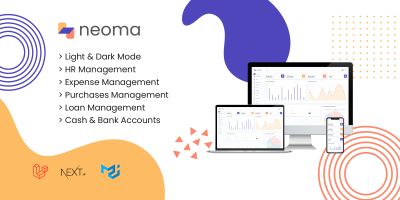
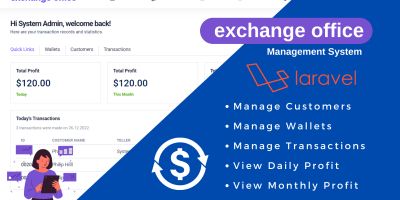

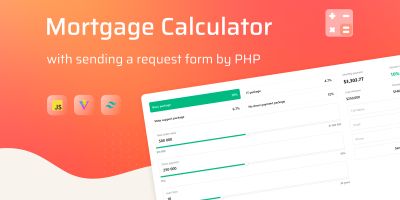
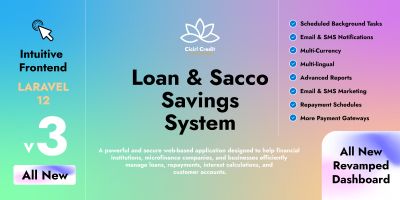

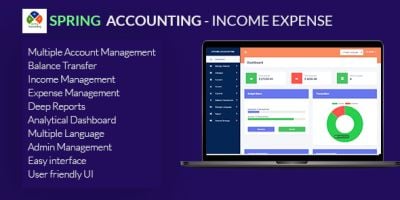
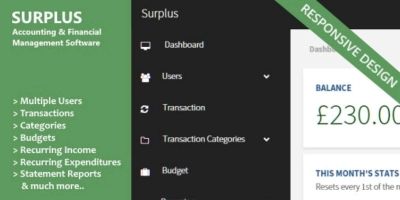
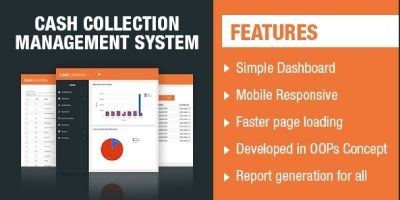
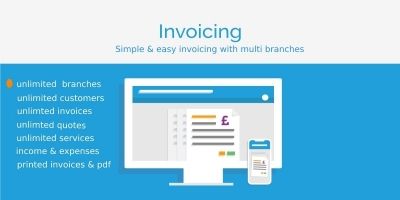
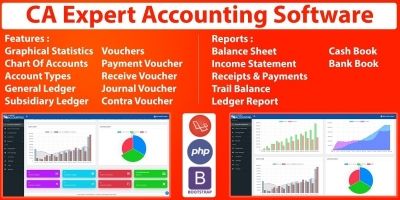
Finance Management Software Packages PHP for Everyday Money Management
The Finance Management Software Packages PHP section brings together practical finance management PHP scripts for real-world bookkeeping: petty cash managers, cashbooks, simple accounting systems, billing and invoice tools, and small finance dashboards you can drop straight into a project. Every item includes PHP source code, so you are free to adapt it to your own workflow.
If you like to start from what has already proven itself, the Top 20 Finance Management Software Packages PHP page is a good first stop. There you will usually see petty cash managers, invoice and billing systems, cashbook software and light accounting dashboards that are already running inside real companies, NGOs and agencies.
Most scripts in this category target day-to-day financial administration rather than complex enterprise accounting. They suit small businesses that need a clear overview of income and expenses, internal teams that want a structured petty cash or cashbook system, and freelancers who prefer a dedicated dashboard for invoices and payments instead of a collection of spreadsheets.
Typical types of finance management software you will find here include:
- Petty cash and cashbook PHP scripts for tracking small expenses and reimbursements.
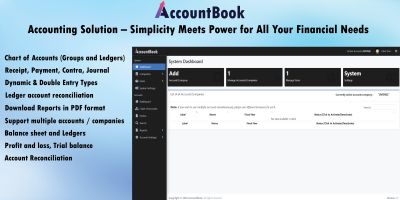
- Compact PHP accounting systems with accounts, categories and basic reports.
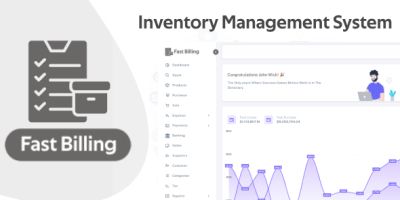
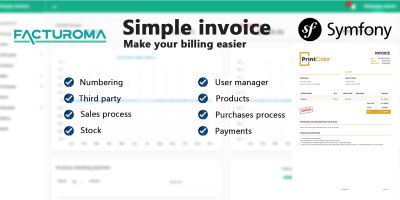
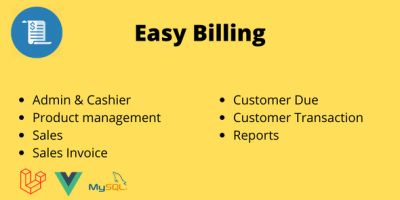
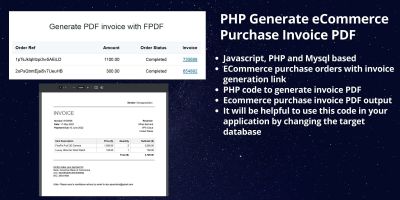
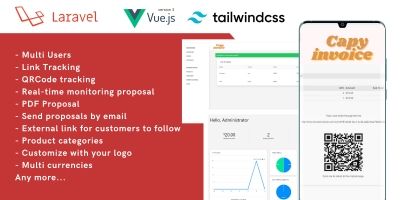
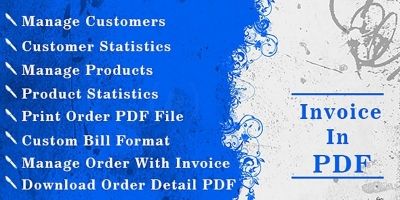
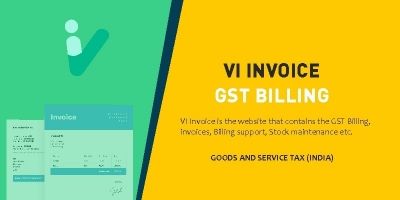
- Invoice and billing scripts for quotes, invoices, recurring billing and payment tracking.
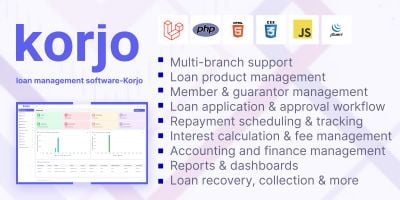
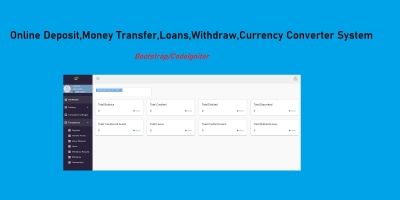
- Loan and credit management tools with repayment schedules and interest calculations.
- Budget and project finance managers for NGOs, charities and internal departments.
In many applications, a script from this category becomes the “finance layer” underneath a wider business system. It often works alongside broader tools from Business Management Software PHP Scripts while payments and subscriptions are handled by modules from PHP Payment & Billing Scripts . Because everything is PHP, integrating with an existing login system or admin panel is usually a matter of wiring up routes and permissions.
If you also need more specialised finance or investment tools, you can look at the broader Finance PHP Scripts category. Projects there tend to focus on wallets, markets and analytics, while the finance management software packages in this section concentrate on cashbooks, accounting, invoices and everyday financial processes.
When you compare scripts, it helps to be clear about what you actually need. Do you just want to track petty cash and expenses, or do you also need proper customer and supplier ledgers? Is multi-currency support important? Should there be approval steps, for example a manager signing off expenses before they are posted? Product descriptions and demos in this category usually give a good feel for how far each system goes.
For the underlying number handling, the PHP BCMath documentation is a useful reference, because many serious finance scripts rely on BCMath for accurate decimal calculations. If you are interested in how invoice and billing modules are commonly structured, looking at feature overviews of dedicated invoicing tools (for example commercial invoice managers) can give you ideas that map well onto the scripts available in this category.
In practical terms, choosing a script usually comes down to a short checklist: pick a candidate from the Finance Management Software Packages PHP list, open the demo, check the installation requirements (PHP version, database, extensions), and decide whether the reports and workflows match how your organisation actually works. After that, most of the work is configuration – setting up account structures, defining categories, translating labels, assigning user roles and running a few test entries.
Once everything is in place, you have a working finance management PHP solution that can be reused and extended. Instead of designing a cashbook, invoice module and reporting screens from the ground up on every new project, you can focus on the details that really make your product or client implementation different.